Inspiration for our Name
Silver River Vineyards

Silver River Vineyards

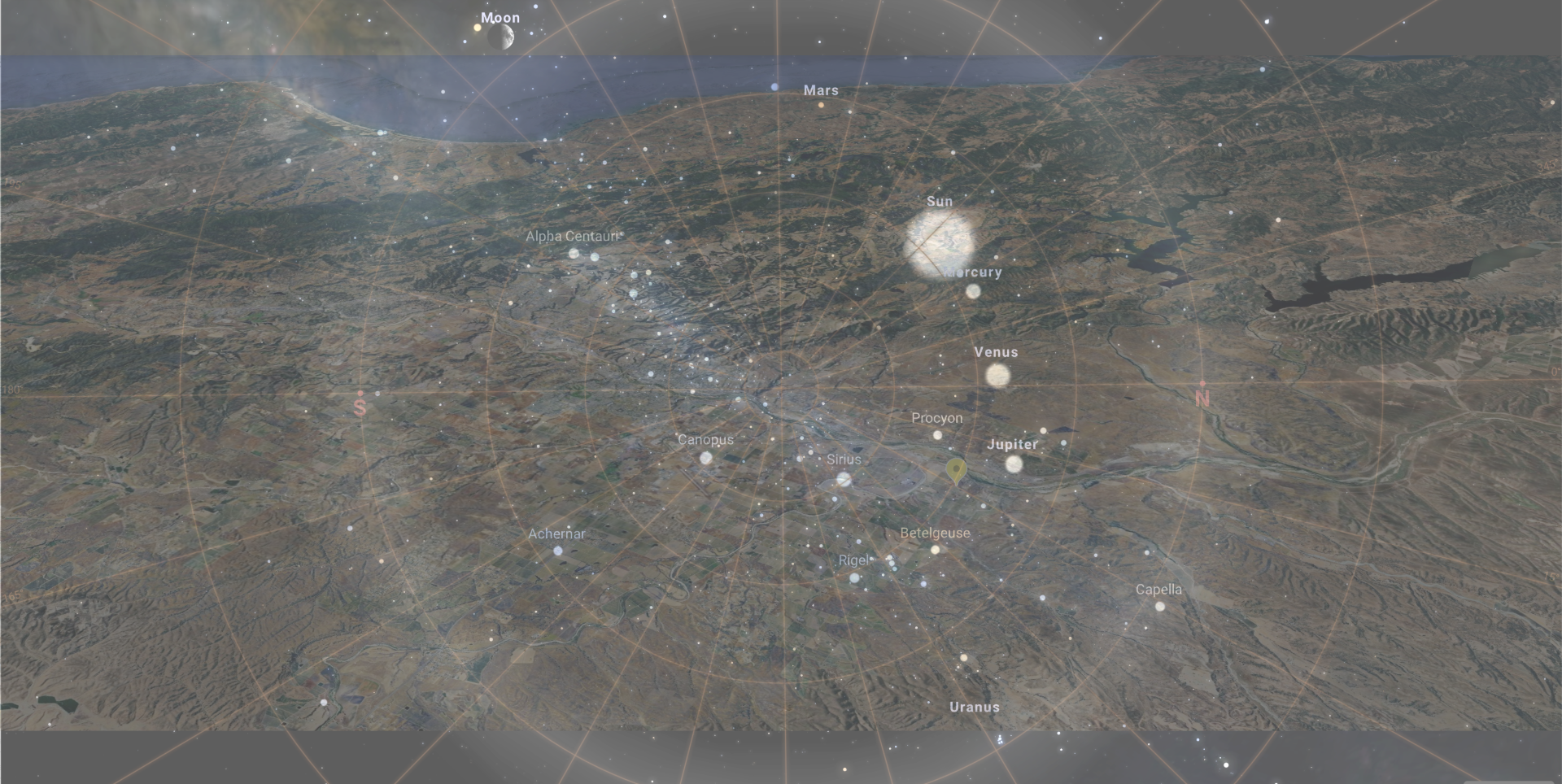
Overlay of the Earth and the Milky way in the night Sky

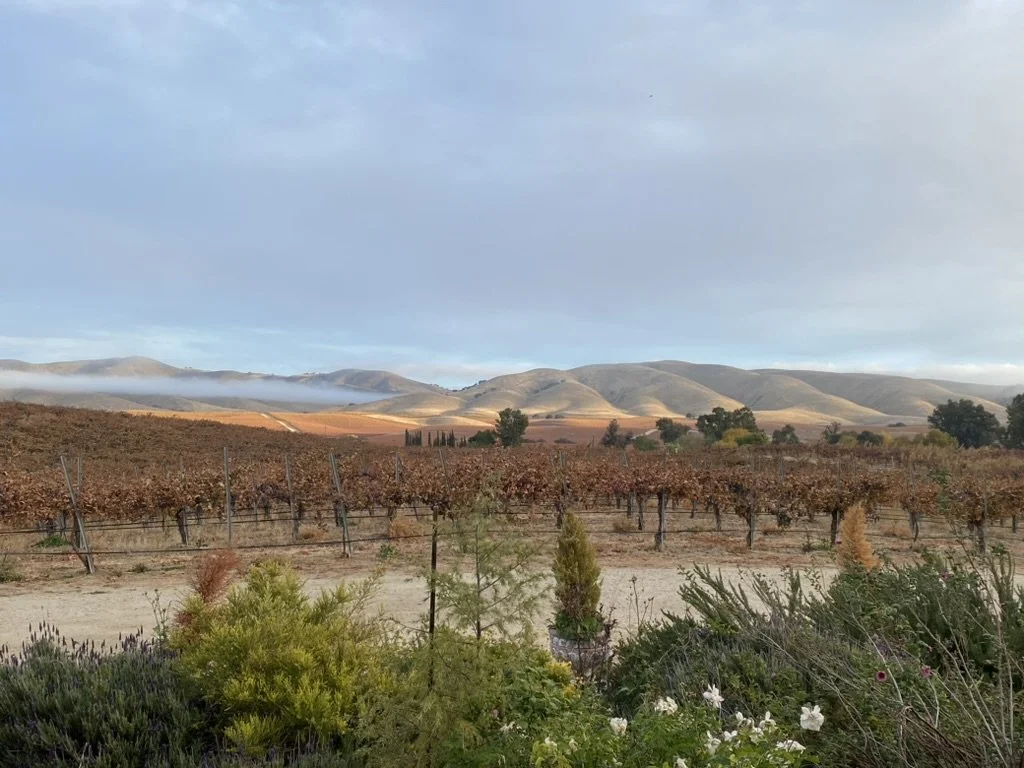
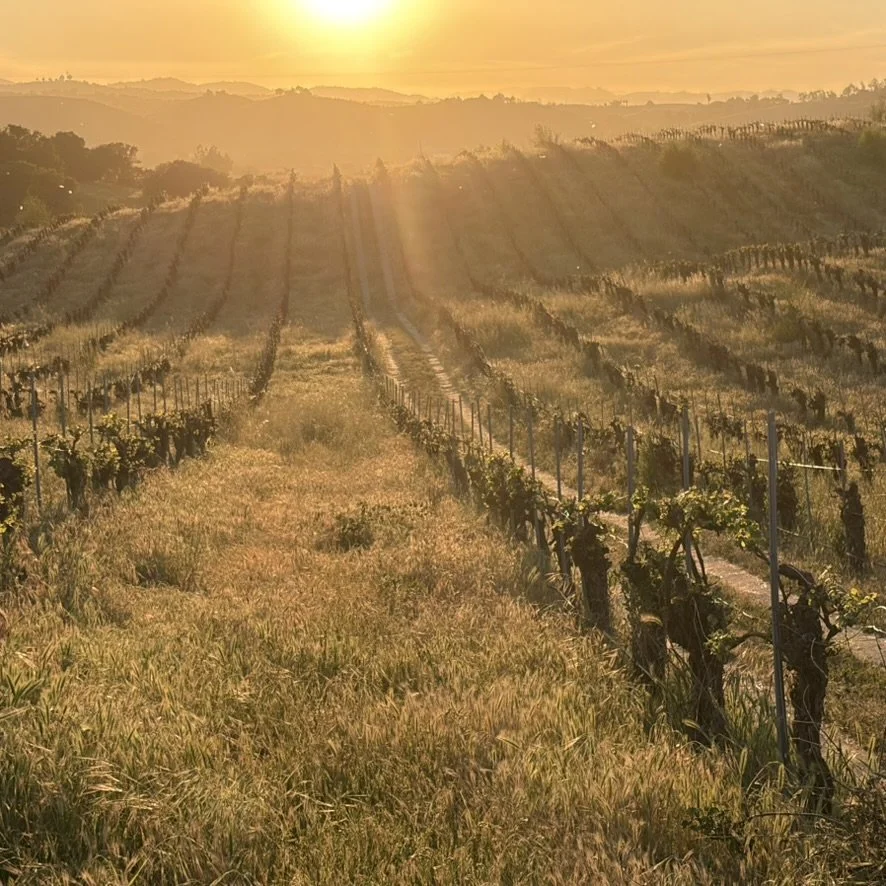
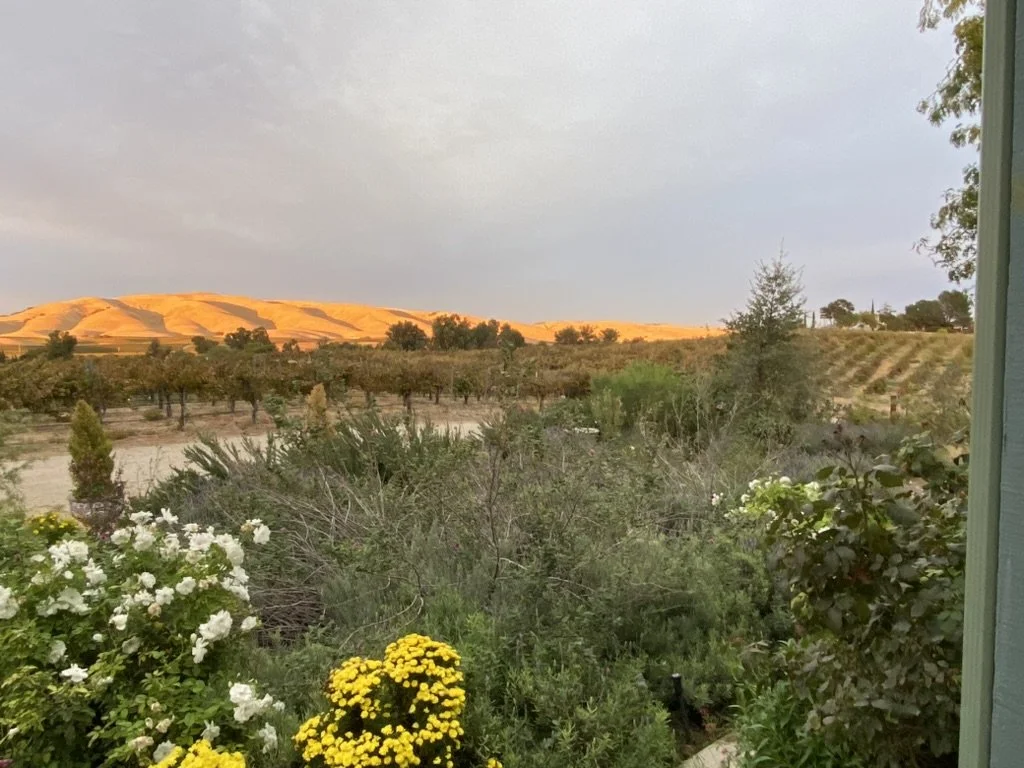
Nestled near the tranquil flow of the Salinas River, whose pale sandy riverbed shimmers silver in the California light, Silver River Vineyards stands as a meeting point of earthly beauty and celestial wonder. Our name draws from two intertwined inspirations, one earthly and one celestial. On the earthly side, it reflects the nearby Salinas River and the striking silver glow of its sandy banks beneath the California sun. On the celestial side, “Silver River” is an ancient poetic name for the Milky Way, imagined across cultures as a luminous river of stars flowing through the night sky.

It is this mirroring between the two, the silver river below in the landscape and the silver river above in the heavens, that inspired our name and continues to shape our sense of place.

Beneath the luminous sweep of the Milky Way and beside the pale sands of the nearby Salinas River, our vineyard is shaped by the quiet connection between land and sky, reminding us how nature’s most beautiful features often mirror one another. Each bottle of our wine reflects this harmony: the silver riverbed on earth, the glowing night sky above, and the connection between land and sky, science and wonder, history and exploration that shape both our vineyard and our wines.

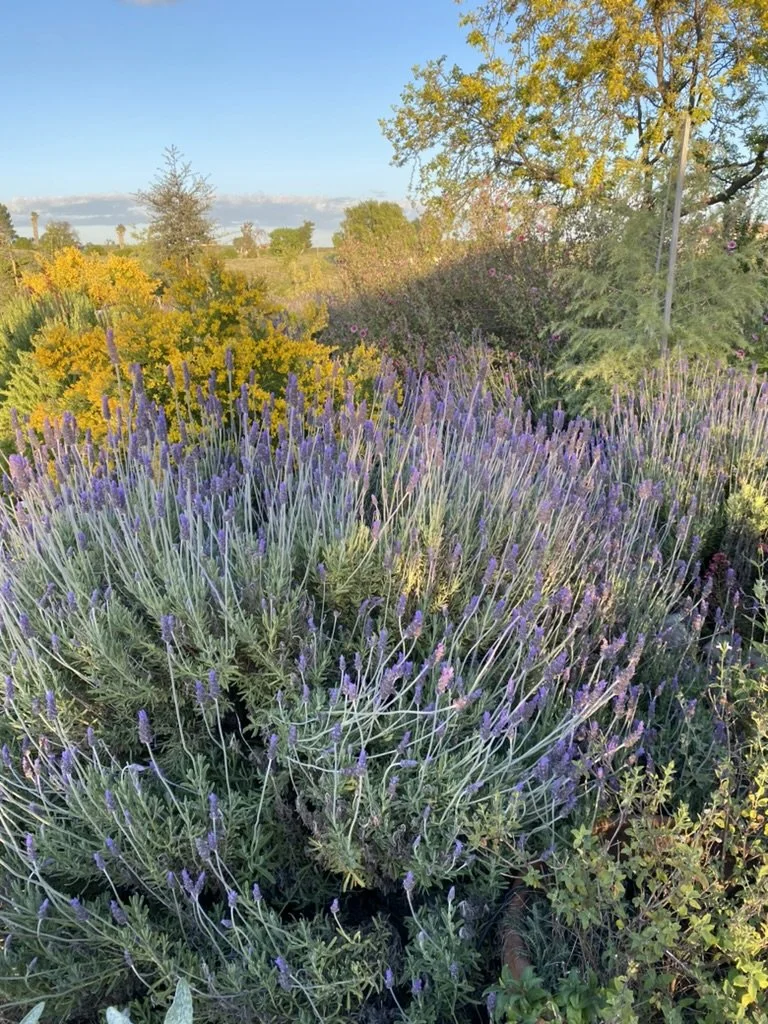
At Silver River Vineyards, we invite you to slow down, savor the moment, and experience the quiet beauty of California’s Central Coast. Here, the boundary between the earthly and the celestial is joyfully blurred, and in every glass, you can sense the timeless dance of rivers, vines, sun, and stars.

Climate and Terroir: Daily Diurnal Variations

Diurnal temperature variation refers to the difference between daytime highs and nighttime lows, and in Paso Robles, this swing often exceeds 40°F between the warmth of midday and the cool of night.

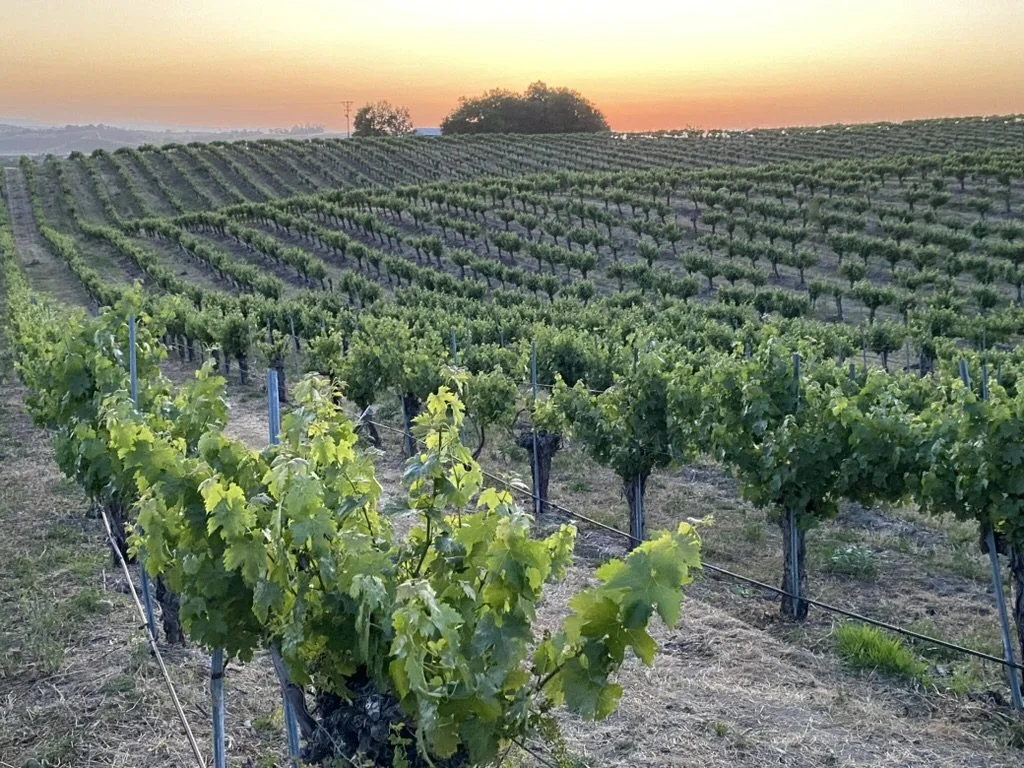
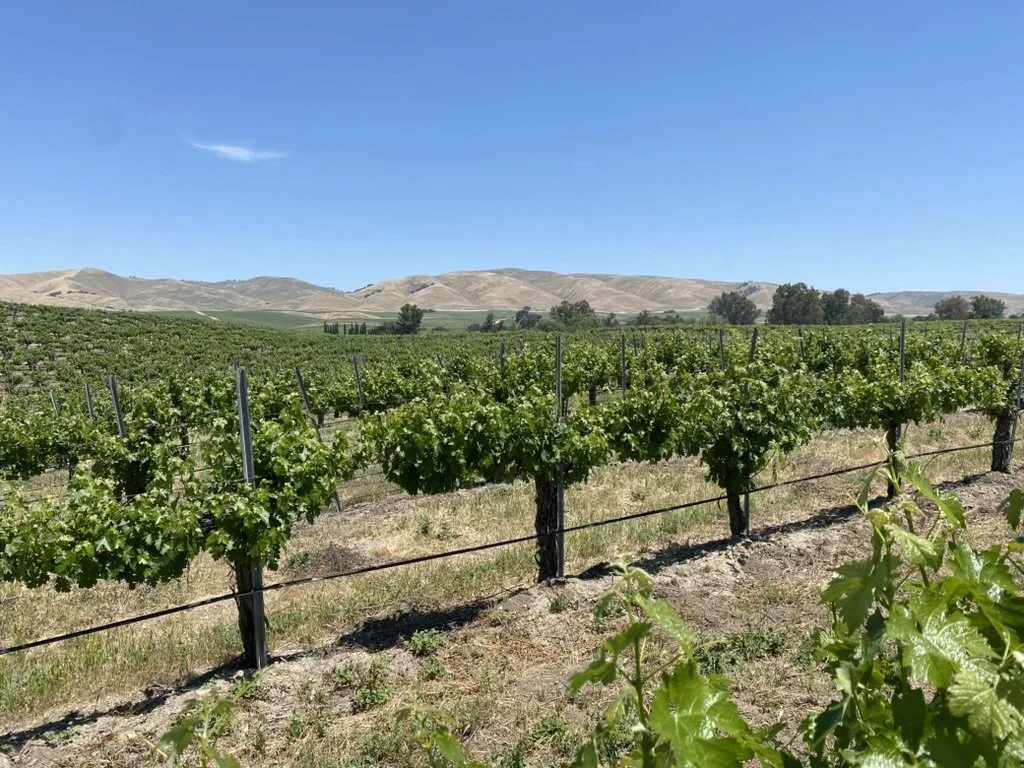
Our vineyard is strongly influenced by its proximity to the Pacific Ocean, where marine air intrusions and afternoon breezes moderate daytime heat. This oceanic influence works hand in hand with one of the region's defining characteristics: that dramatic day to night temperature shift. Warm days allow the grapes to fully ripen, developing sugars and deep color, while cool nights preserve natural acidity and allow the vines to rest and recover. The result is fruit that achieves complete physiological ripeness without losing freshness or balance.

Phenolic compounds, the elements responsible for color, tannin structure, and much of a wine's texture and mouthfeel, develop more completely under these conditions. Aromatic compounds also benefit, producing wines with greater complexity and a clearer expression of the vineyard's character. In short, the push and pull between ocean cooling and inland warmth, between blazing sun and crisp nights, creates the conditions for grapes that are ripe, balanced, structured, and aromatic—wines that taste like they come from somewhere specific, not from a formula.

Luma