Our Vineyard
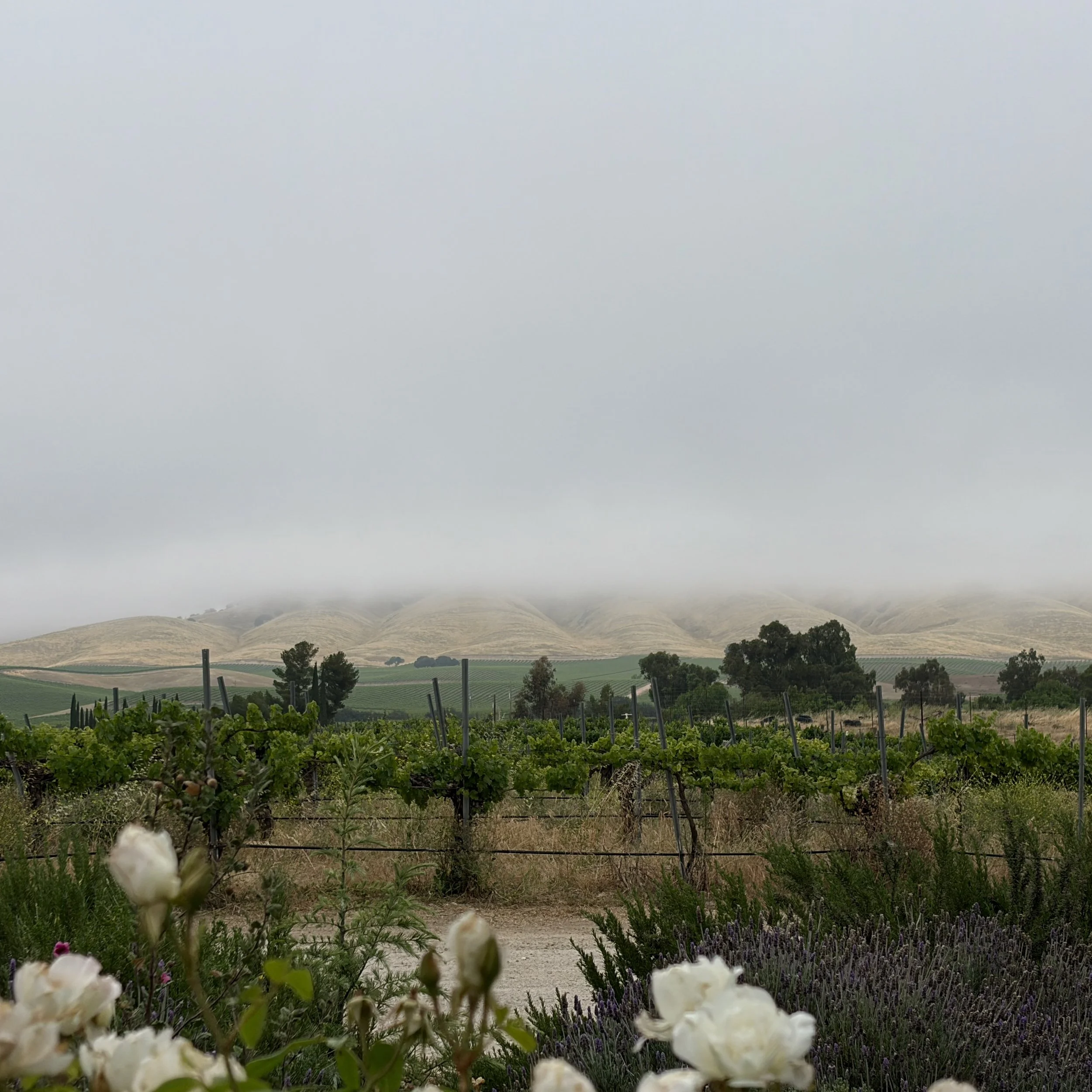
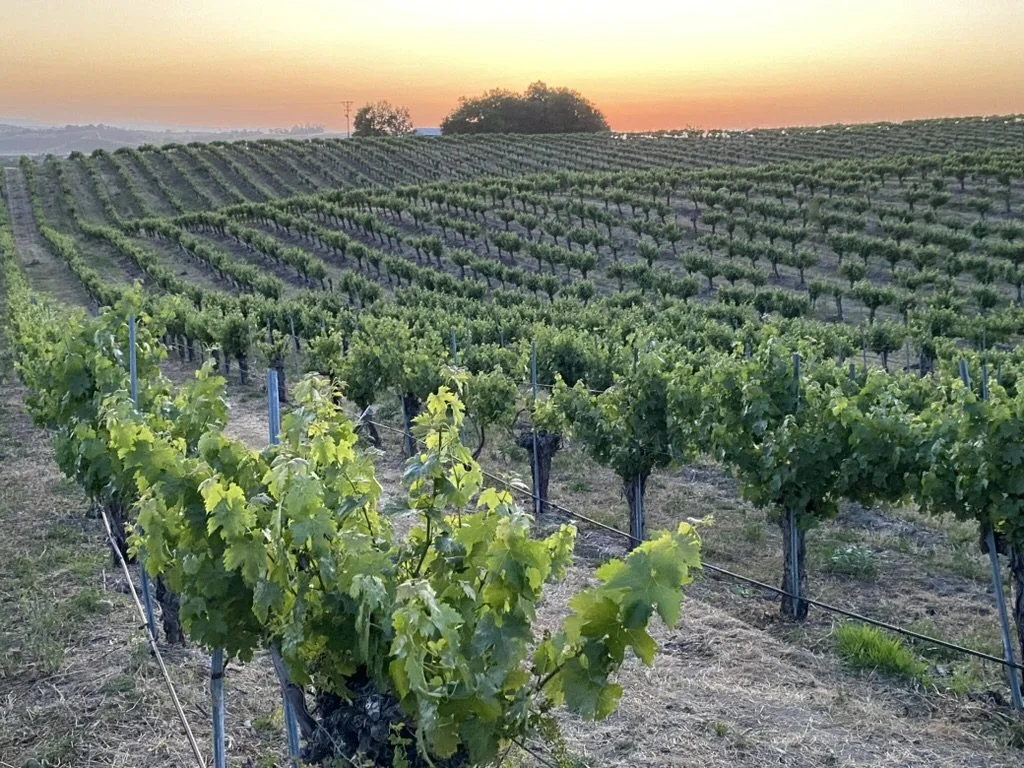
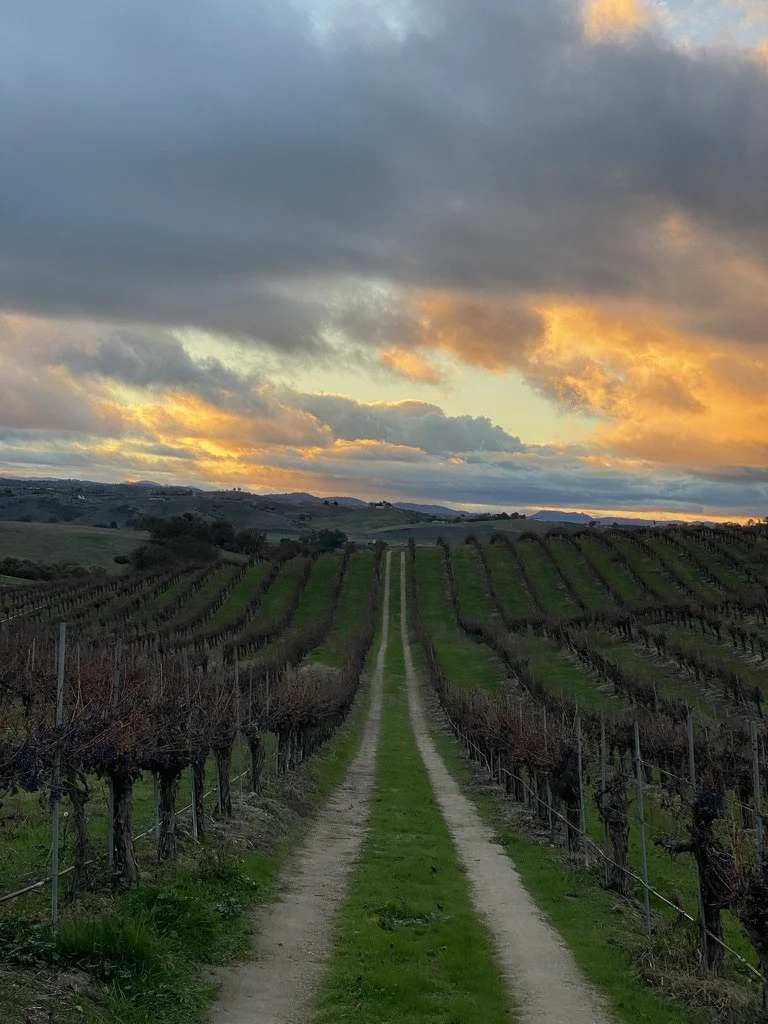
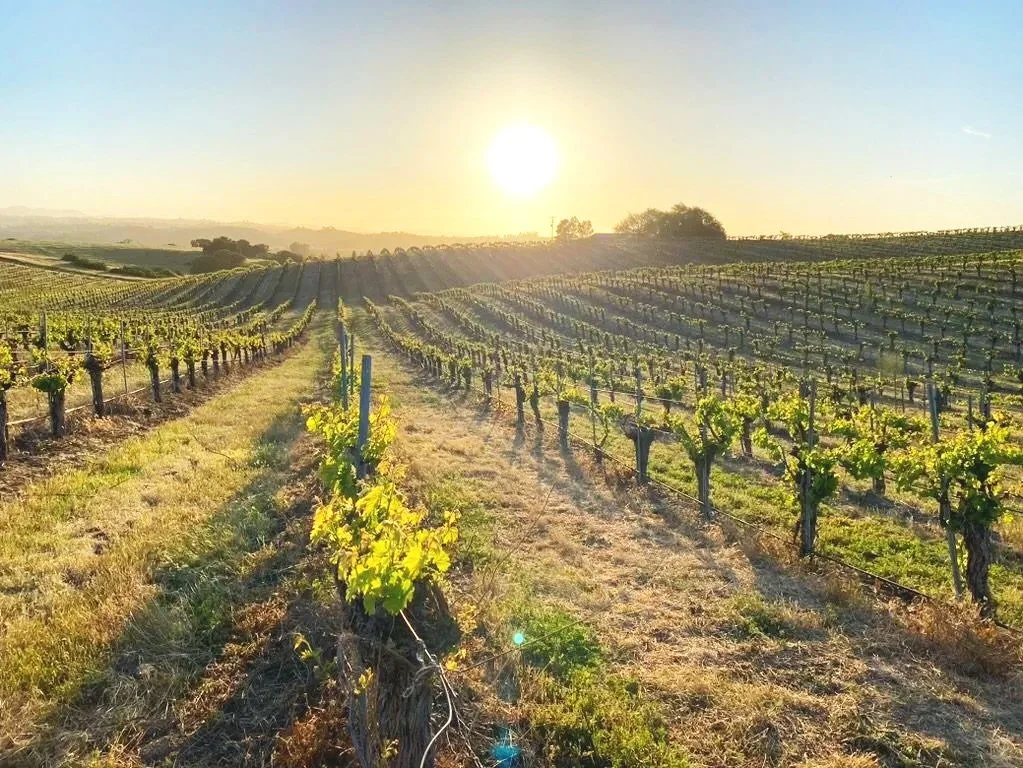
Our vineyard sits in the San Miguel District of the Paso Robles AVA, where warm days, cool nights, calcareous soils, native plants, and mature vines come together to shape wines with character, structure, and a true sense of place.
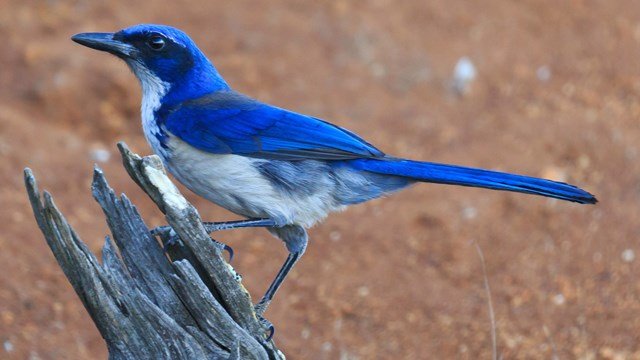
Silver River is more than a vineyard. It is a living landscape, home to grapevines, native plants, birds, pollinators, wildlife, and the quiet rhythms of the Central Coast.
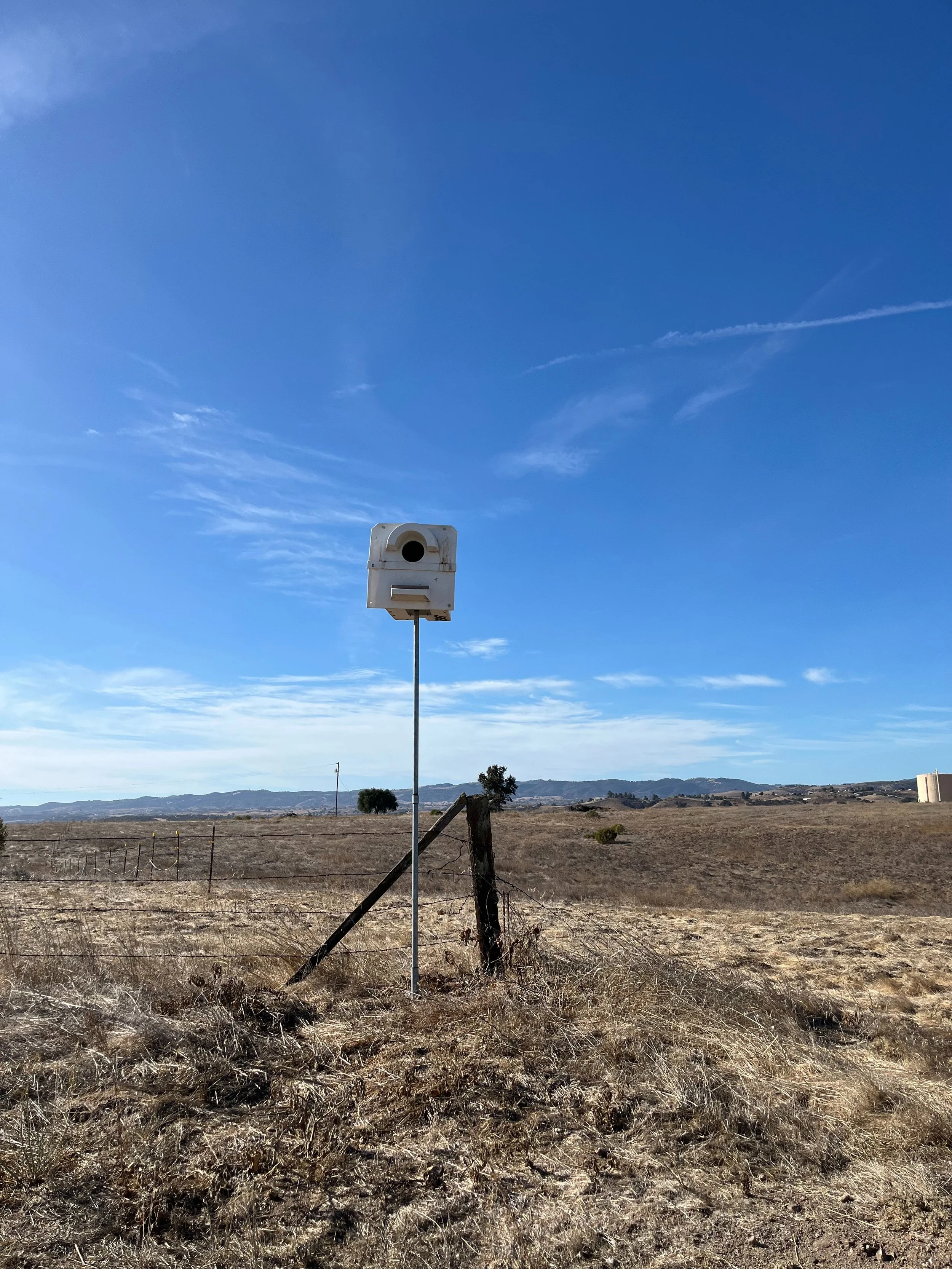
If you look closely and listen carefully, you may catch a glimpse of the wildlife that shares this land. We see the vineyard as a habitat, not just a crop, and our work is guided by the belief that healthy vines begin with a healthy living system.
San Miguel, California has a long viticultural history. Grapes were introduced to this part of California by Spanish missionaries at Mission San Miguel Arcángel in the late 1700s, making the area one of the early centers of winegrowing on the Central Coast.
Luma
Elevation: Approximately 850 feet
AVA: Paso Robles AVA, San Miguel District
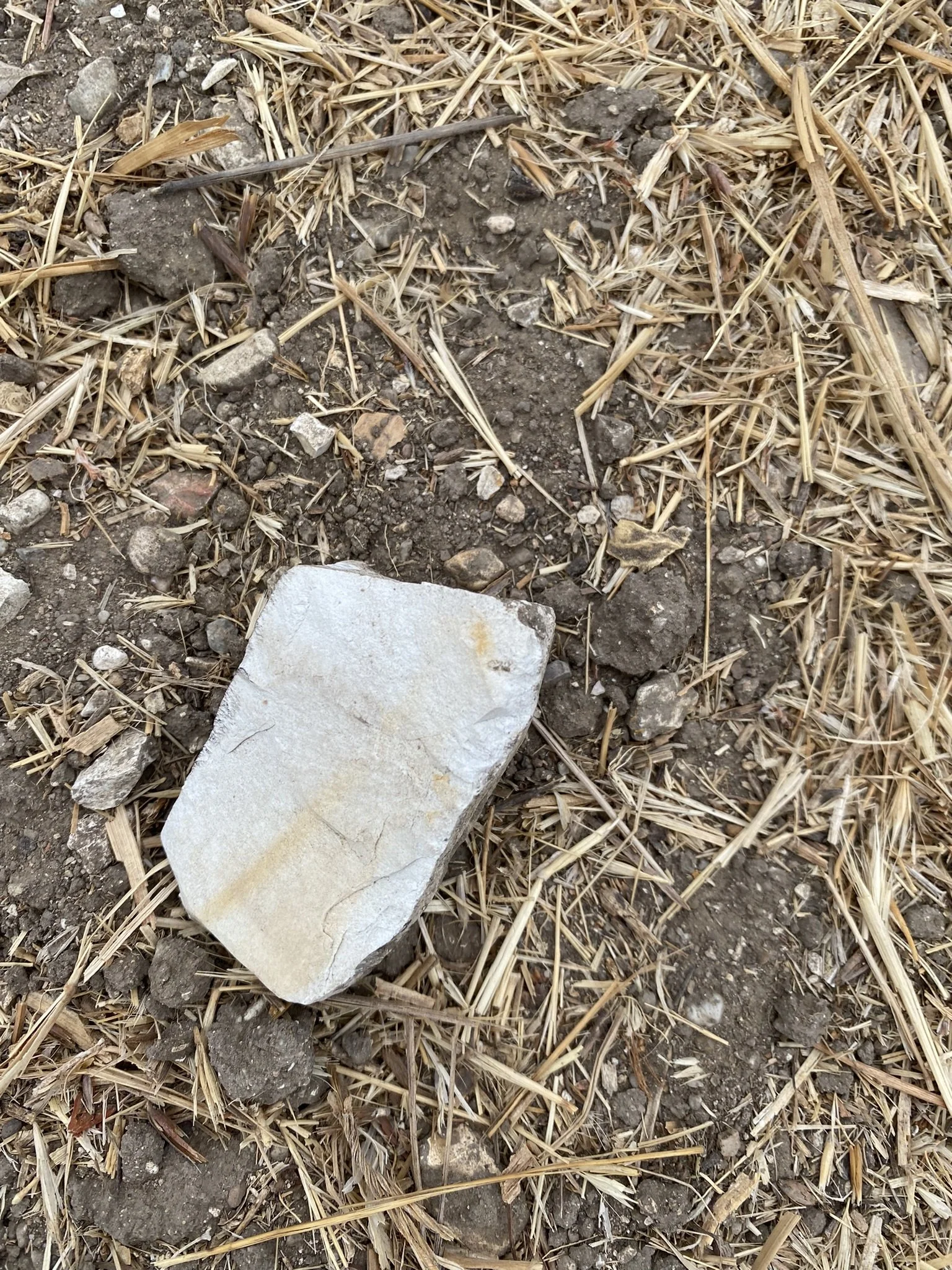
Soils: Calcareous shale, limestone, clay loam
Diurnal shift: Often 30 to 45°F
Our vineyard sits at approximately 850 feet in elevation, on calcareous shale, limestone, and clay loam soils within the Paso Robles AVA’s San Miguel District.
These lime rich, fractured soils encourage vine roots to reach deeply in search of water and nutrients. That natural effort can help build concentration, structure, and a mineral quality in the finished wines.
Warm Days, Cool Nights
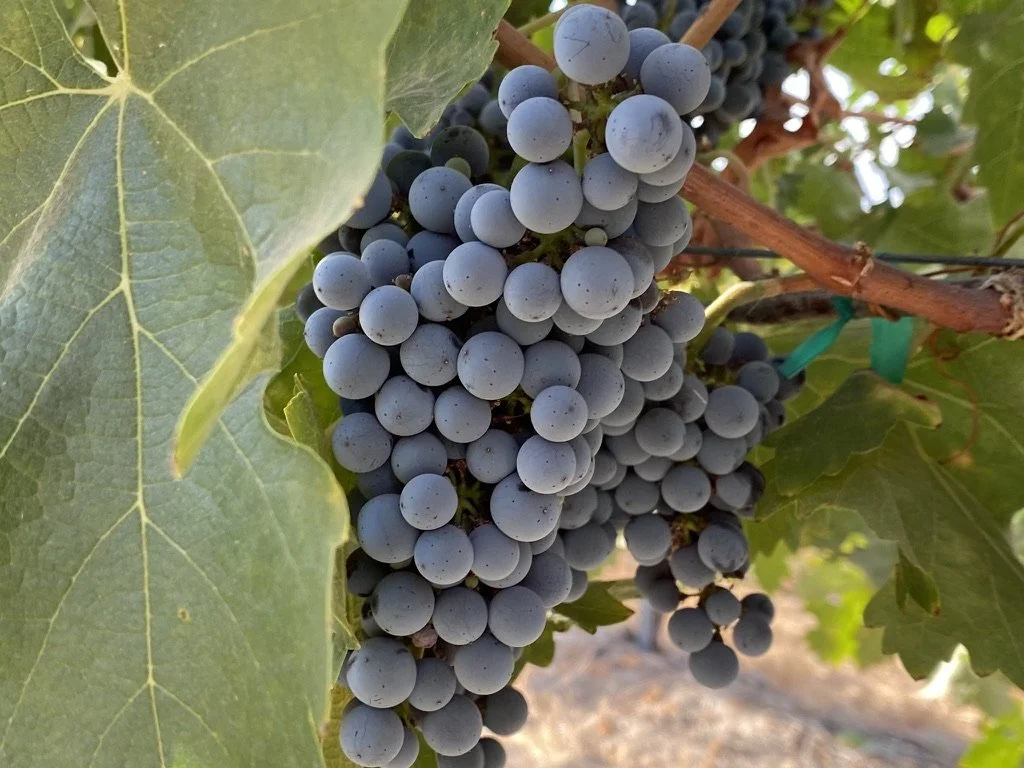
One of the defining features of Paso Robles wine country is its dramatic diurnal shift, the difference between daytime highs and nighttime lows. In our vineyard, warm days help Cabernet Sauvignon and Merlot develop ripe fruit character, while cool nights help preserve freshness, color, and balance.
This daily rhythm is one reason Paso Robles wines can feel both generous and structured. The fruit has time to ripen fully, but the cool evenings help protect the acidity and lift that keep a wine lively in the glass.
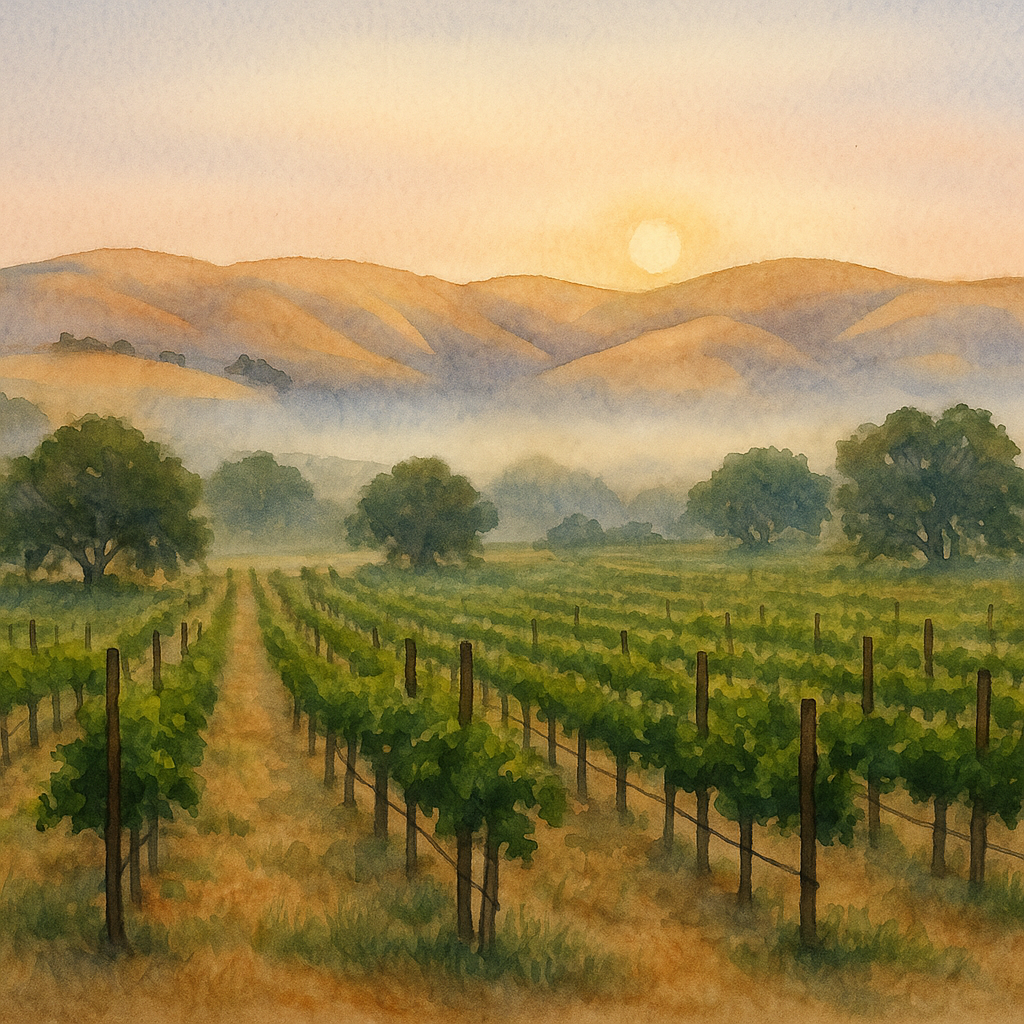
Ecosynergetic Viticulture is more than a farming practice. It is a philosophy of care. The word brings together three ideas: eco, from oikos, meaning the home of life; syner, from synergos, meaning working together; and getic, from genēs, meaning generative action. Together, these ideas reflect our belief that soil, vine, climate, wildlife, microorganisms, and human hands thrive best when they work in harmony, creating vitality greater than the sum of their parts.
The wine world often uses terms like sustainable, regenerative, and biodynamic. These words have meaning and value, but they can sometimes become checklists of practices. Ecosynergetic Viticulture is our way of looking at the vineyard as a living system, where every element, from microorganisms in the soil to owls in the sky, participates in balance.
This philosophy affirms that all creatures, whether rooted, winged, or walking, have a place in this shared home. Our responsibility is not only to produce wine, but to nurture the whole vineyard system so it can flourish naturally, resiliently, and with integrity.
Old Vines, Deeper Roots
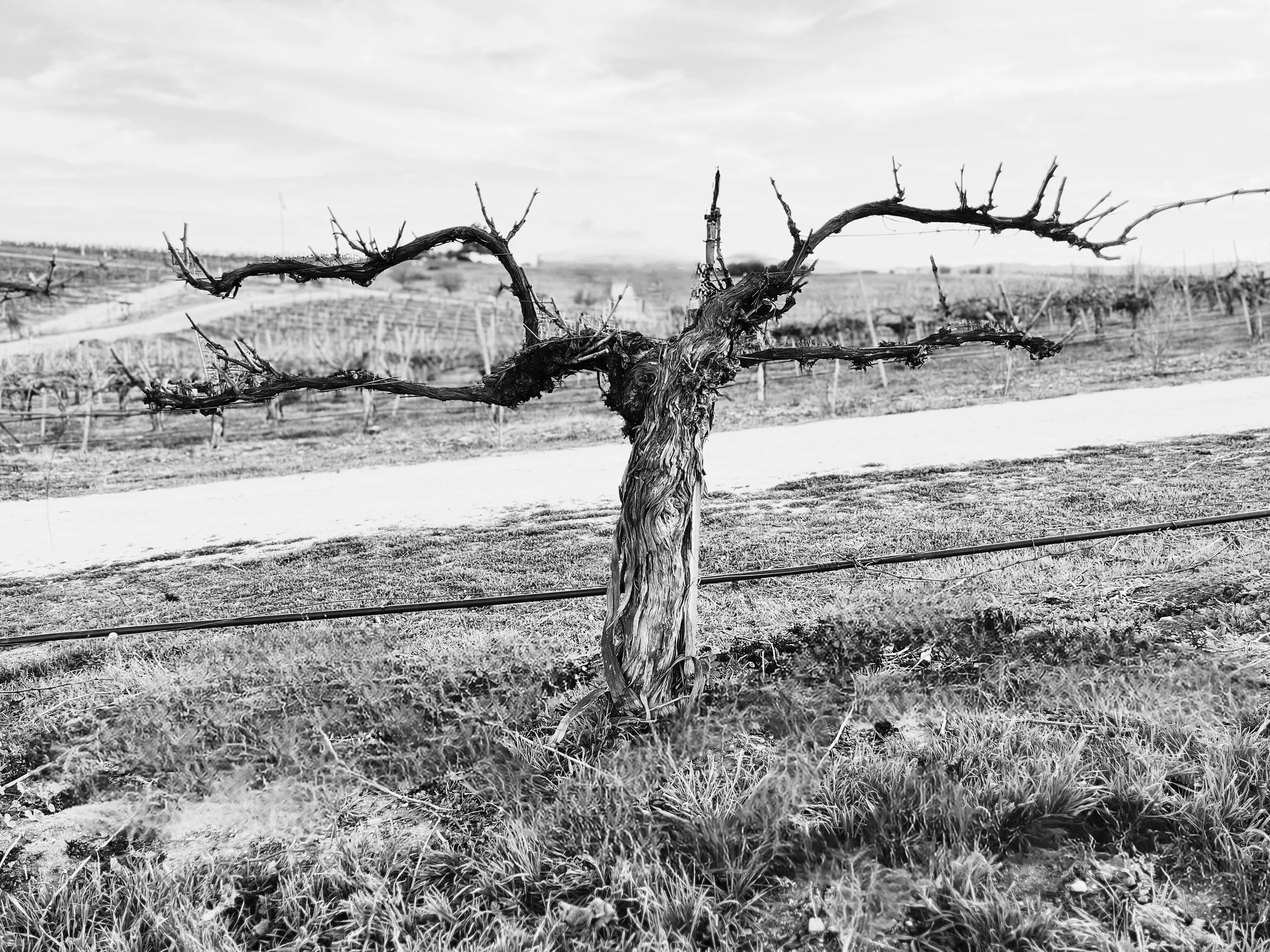
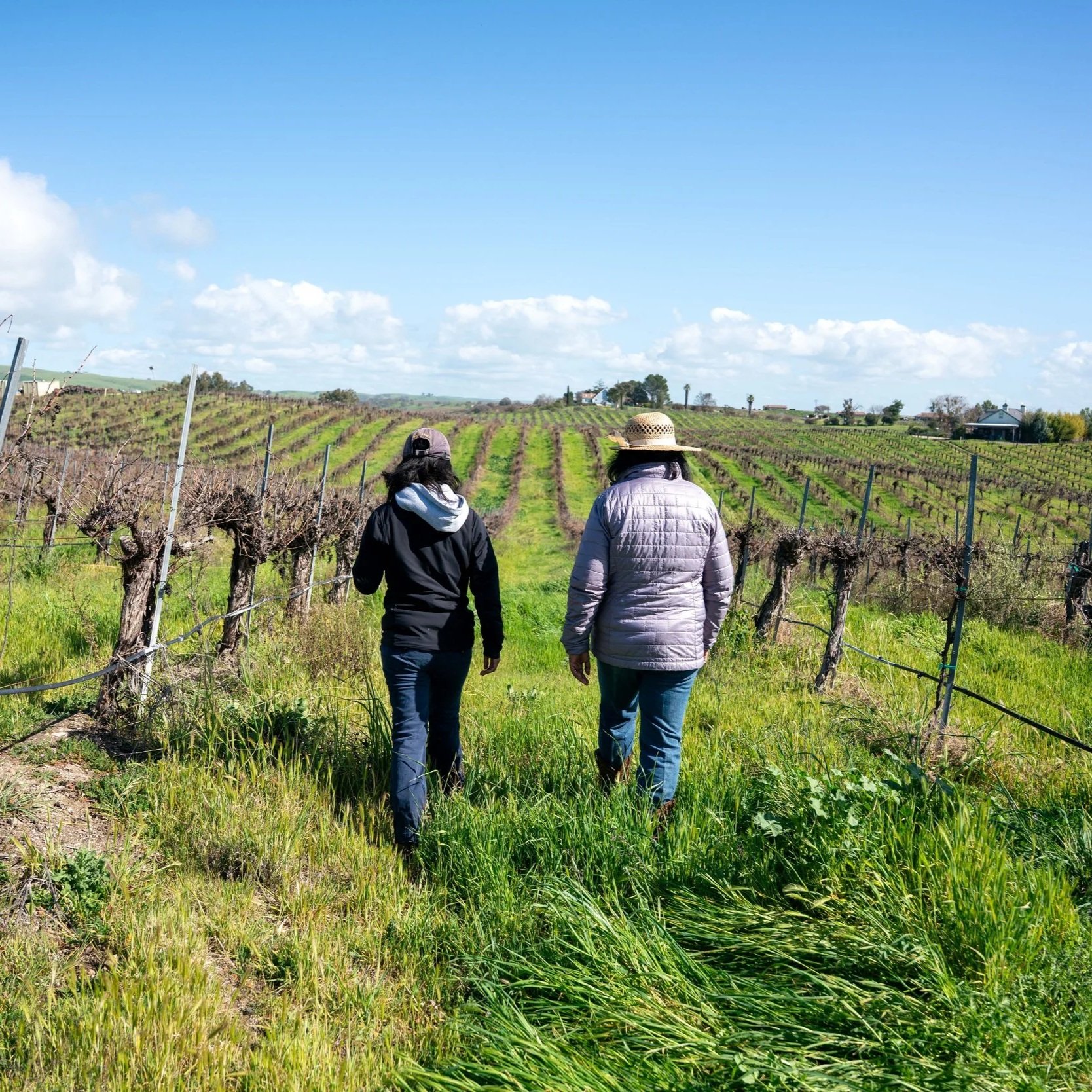
Our vines were planted in 1990 and are now approaching four decades in the ground. Over time, mature vines develop deep root systems, thicker trunks, and a natural resilience that helps them weather dry years, heat, and seasonal variation.
We value these old vines not because they are fashionable, but because they carry history. They have adapted to this place over many seasons, and their fruit can bring depth, concentration, and quiet complexity to the wines we make.
We are delighted that our vineyard is included in the Old Vine Registry
Ecosynergetic Viticulture